psychology_altExpressive Therapy
Sandplay Therapy
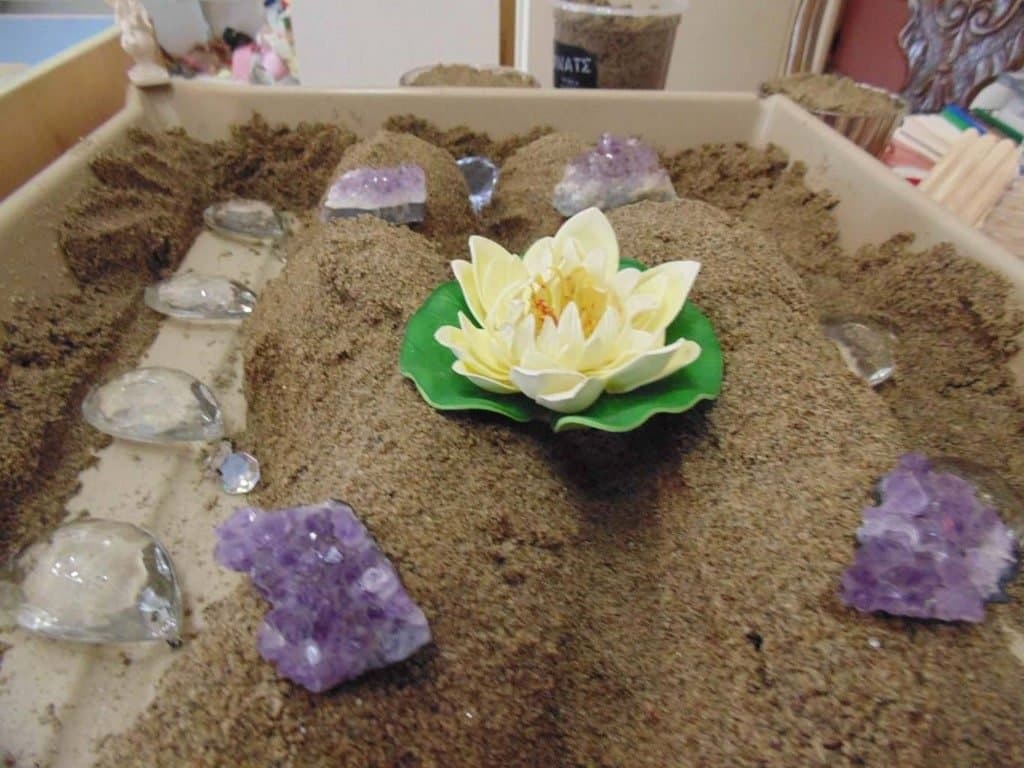
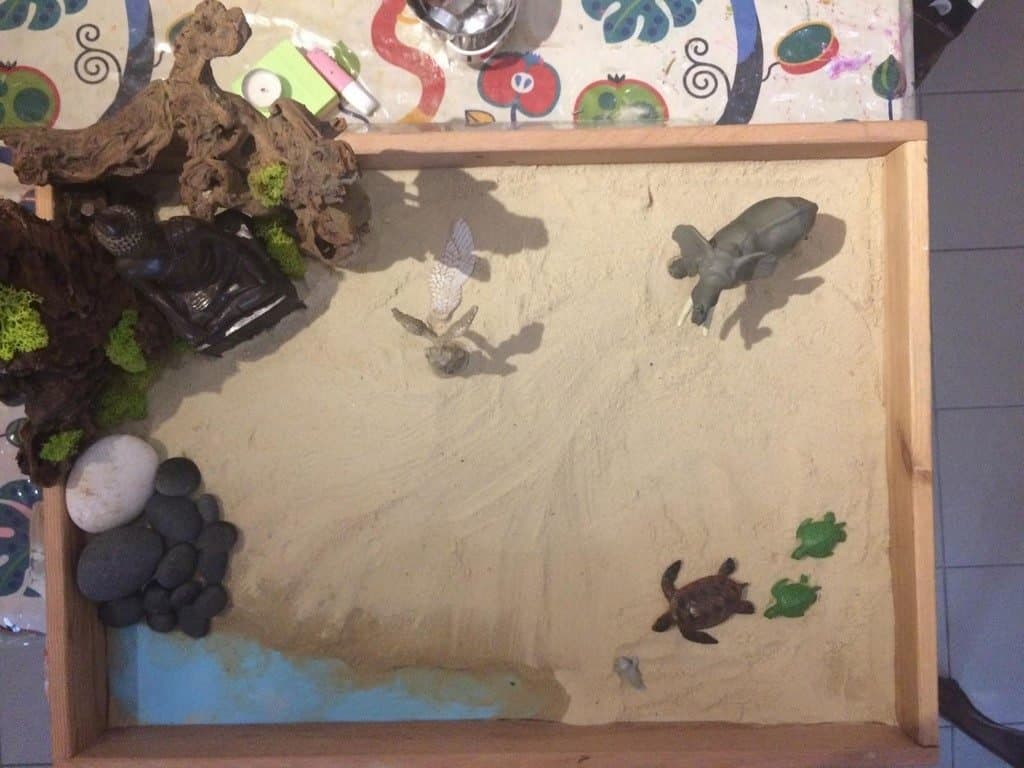
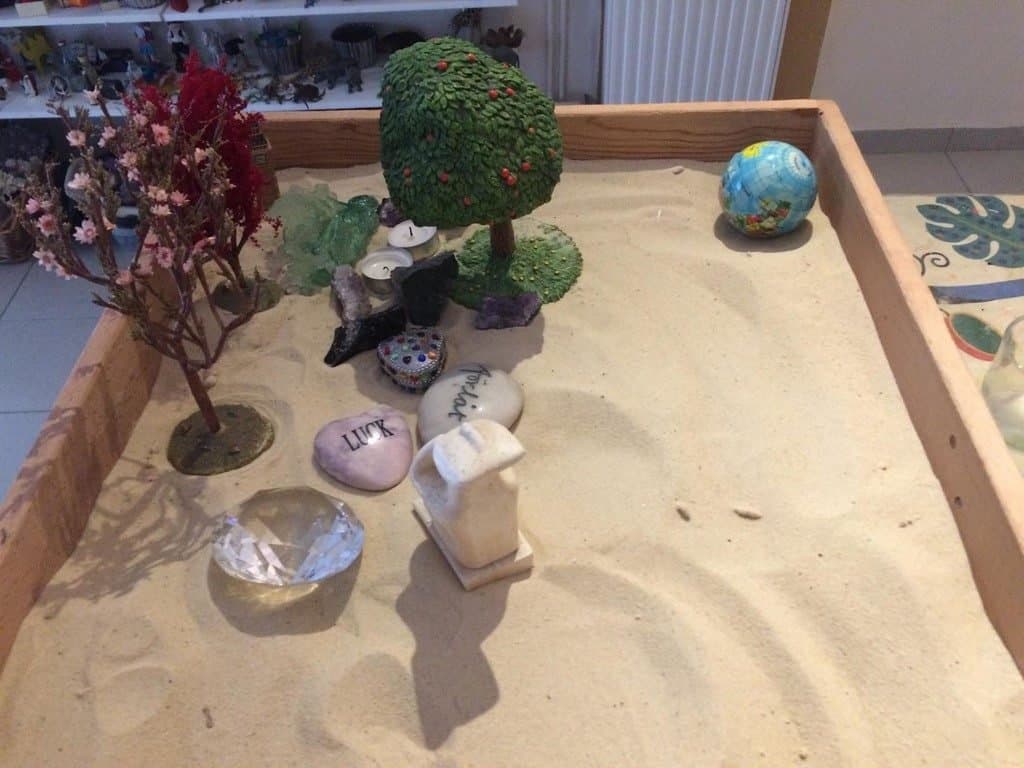
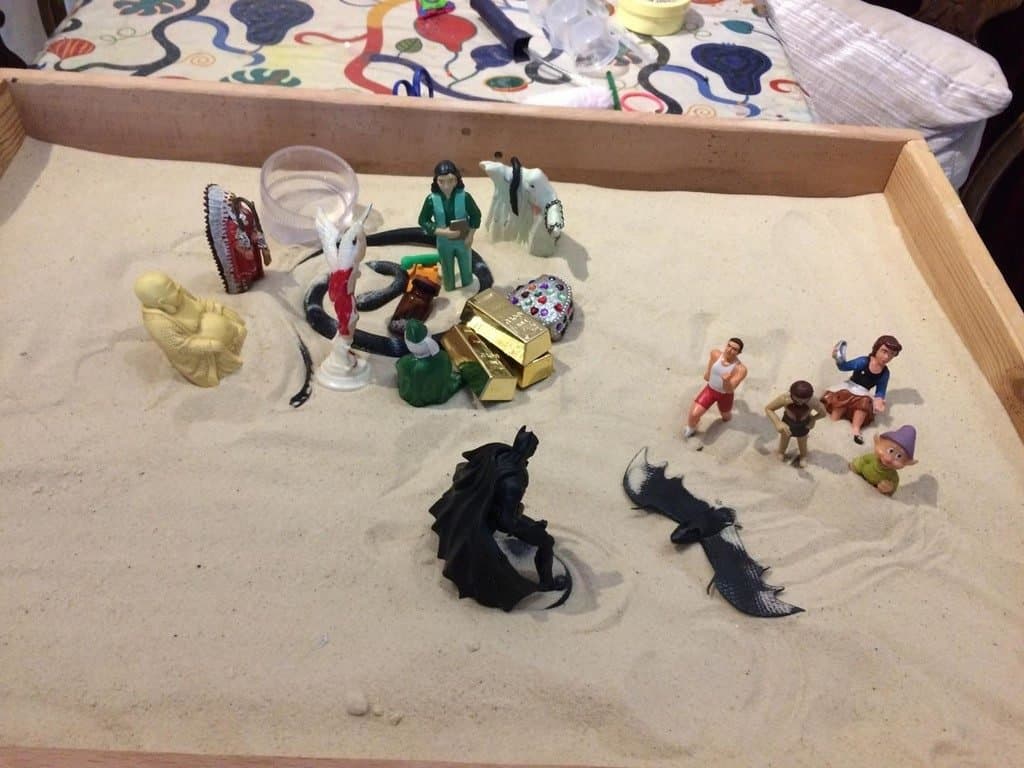
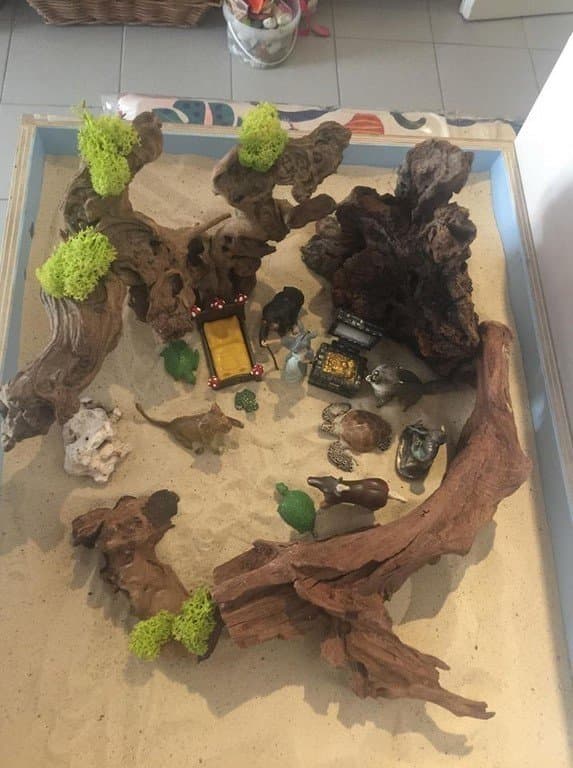
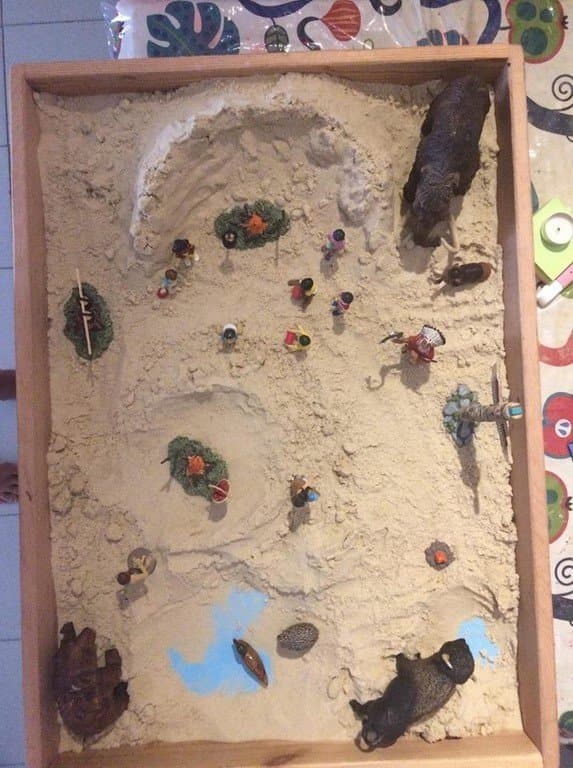
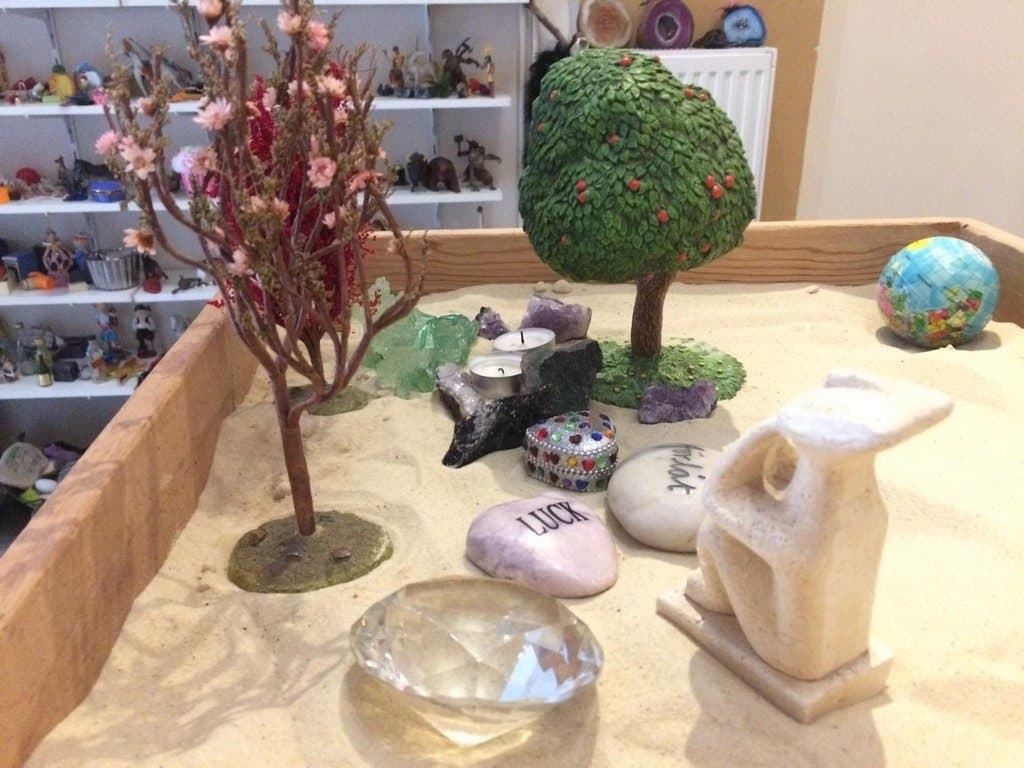
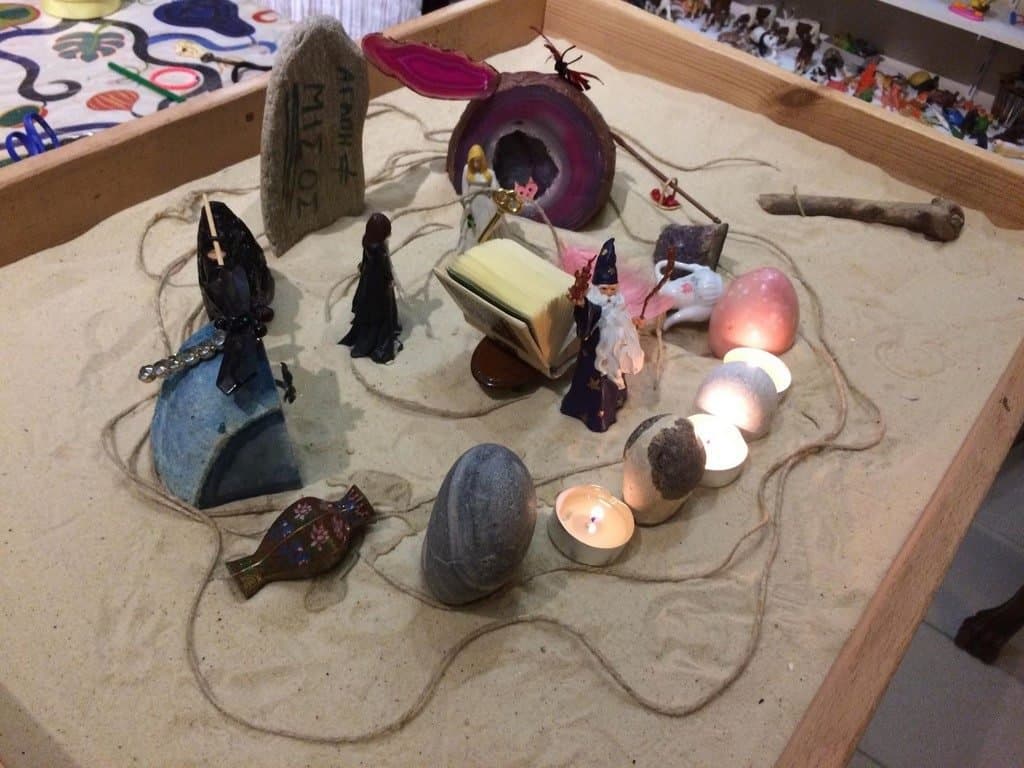
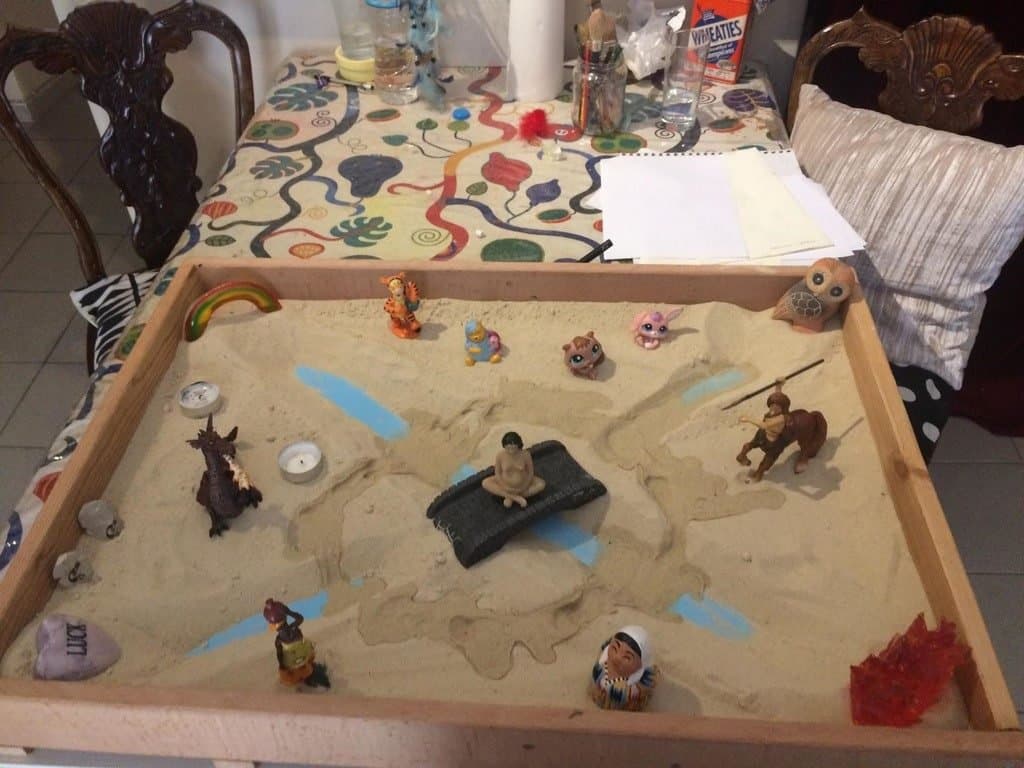
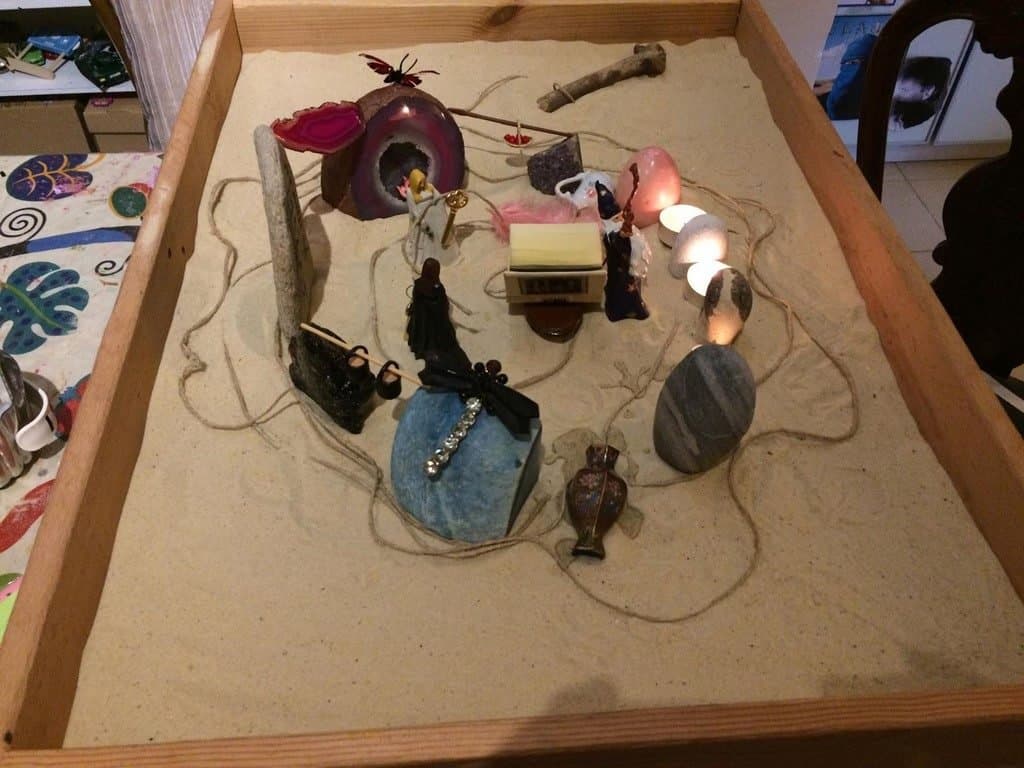
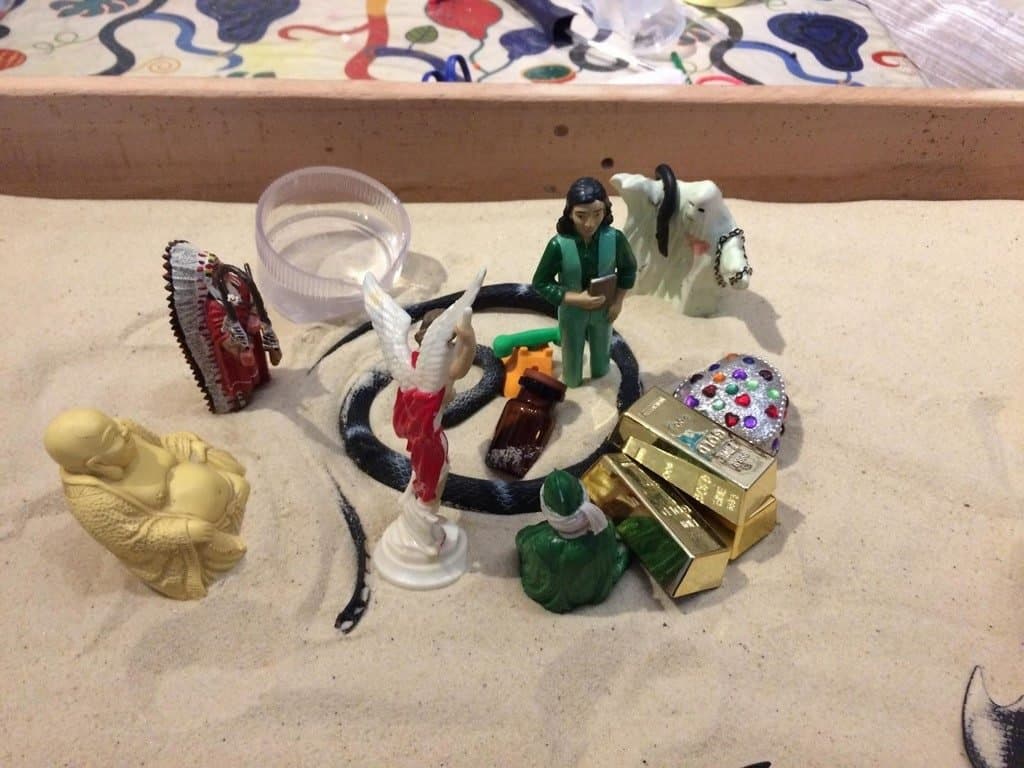
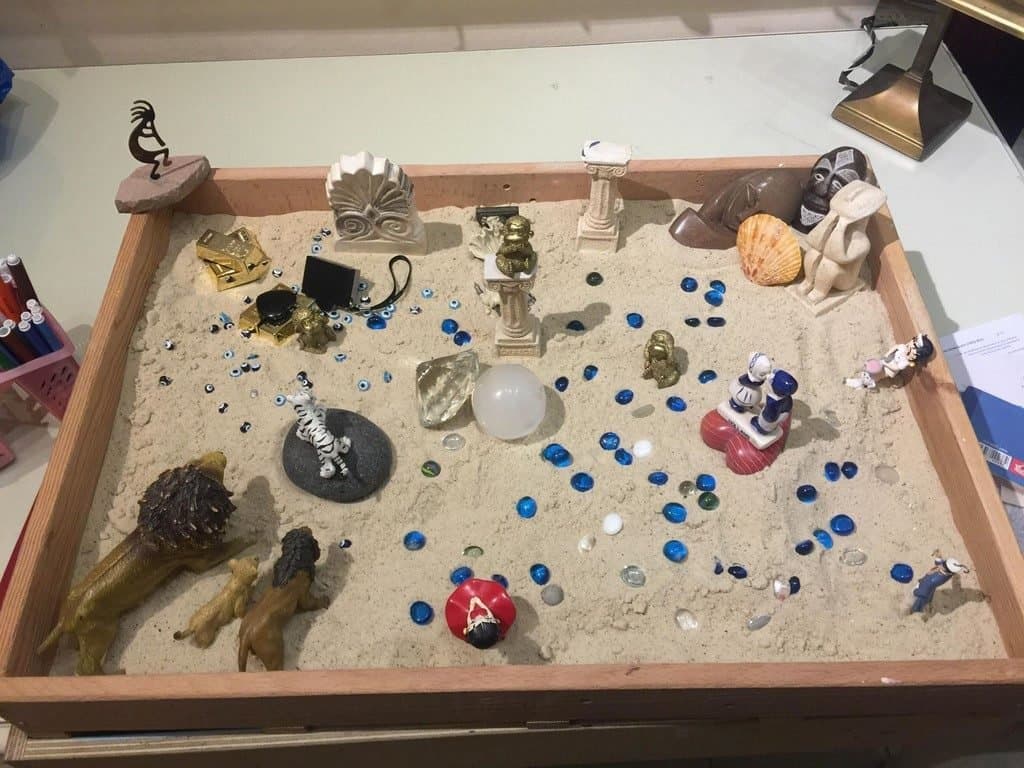
In the Sandplay method, the client creates representations in a container of sand, using miniatures selected from an extensive collection.
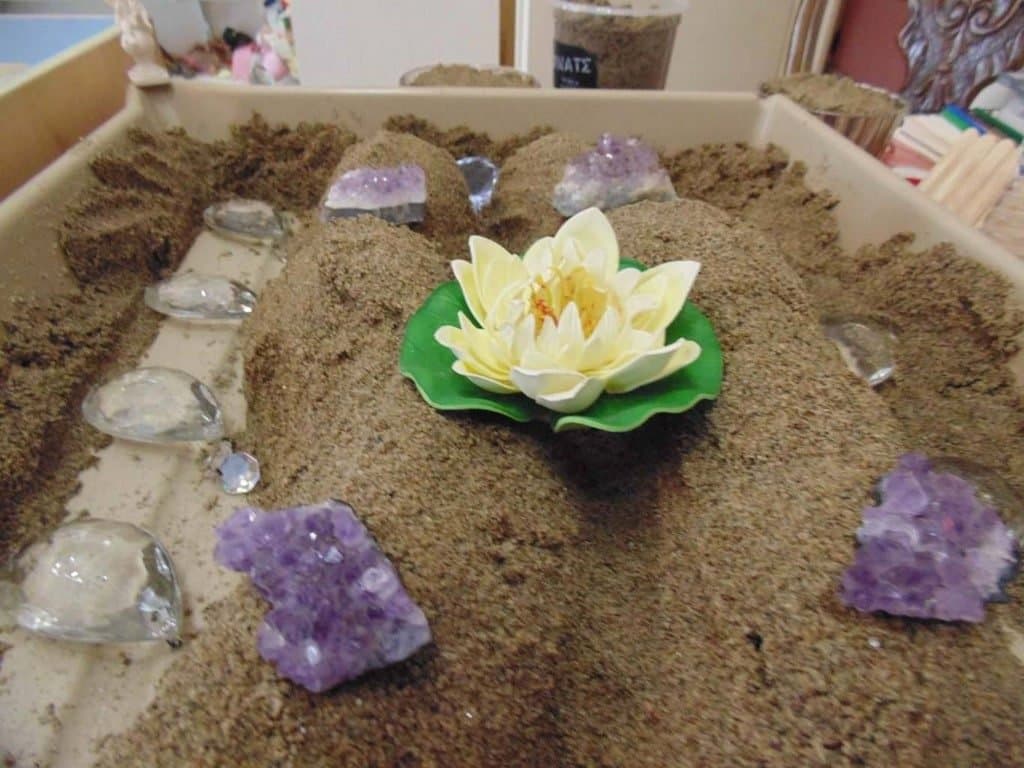
In the Sandplay method, the client creates representations in a container of sand, using miniatures selected from an extensive collection.
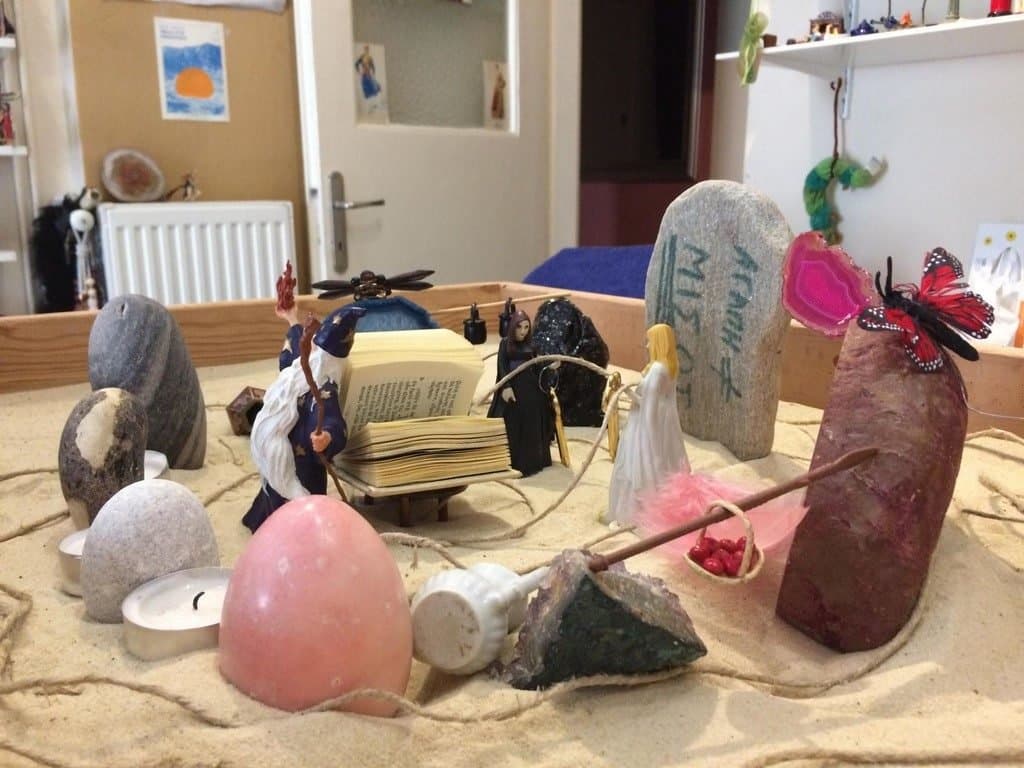
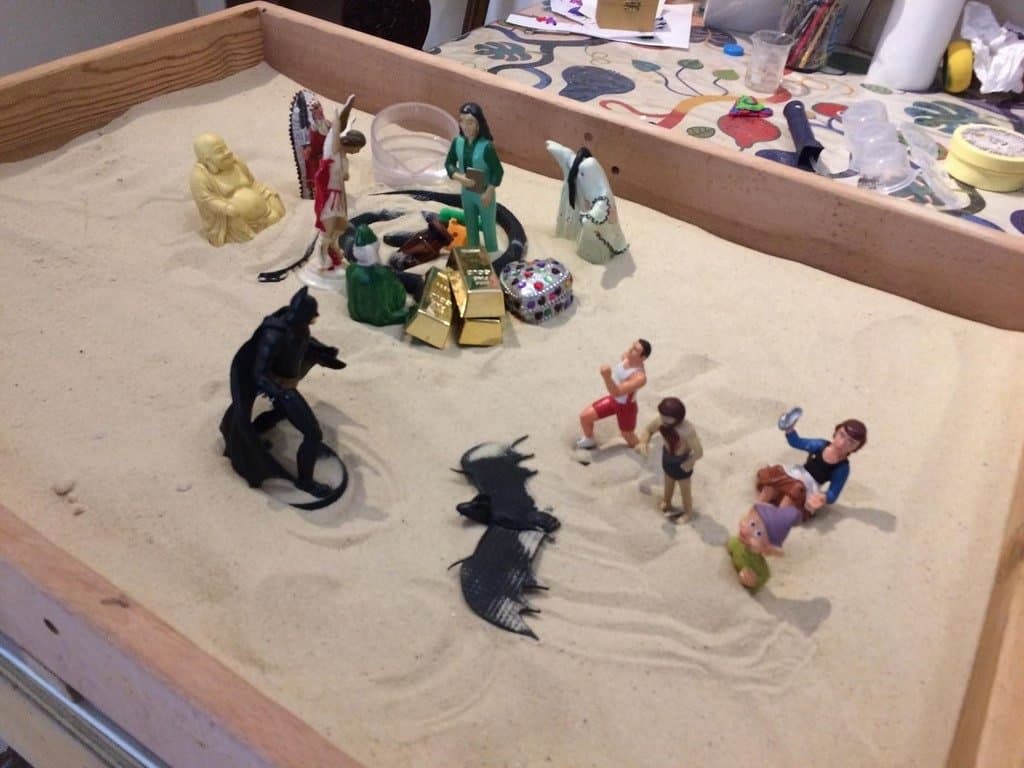
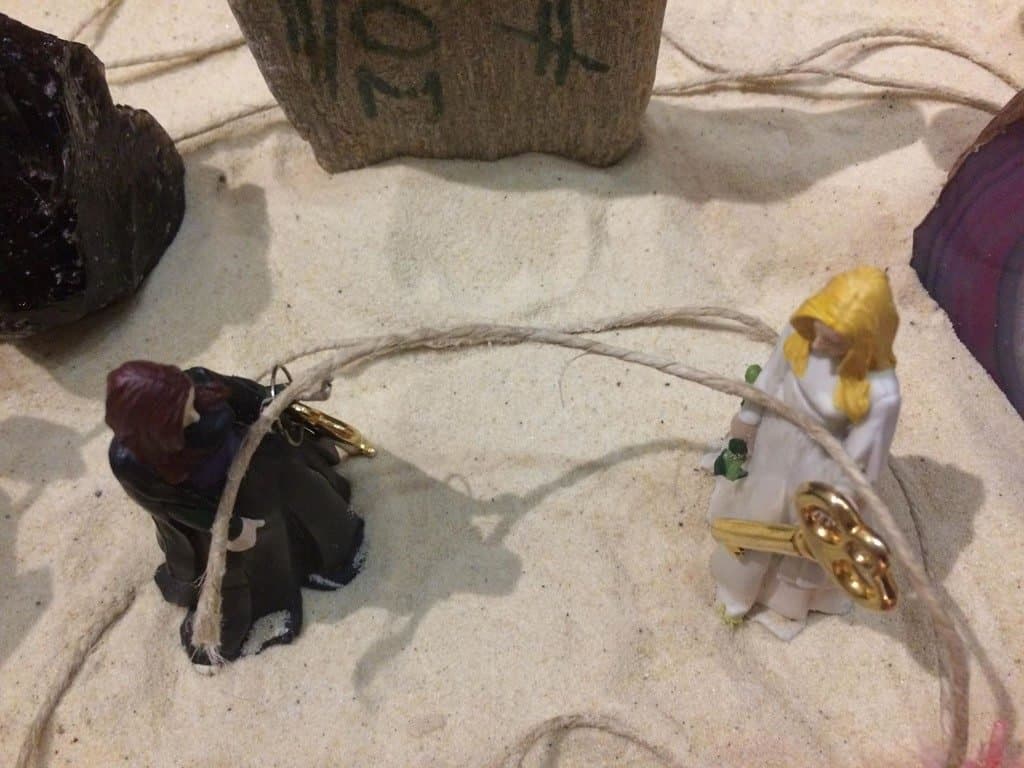
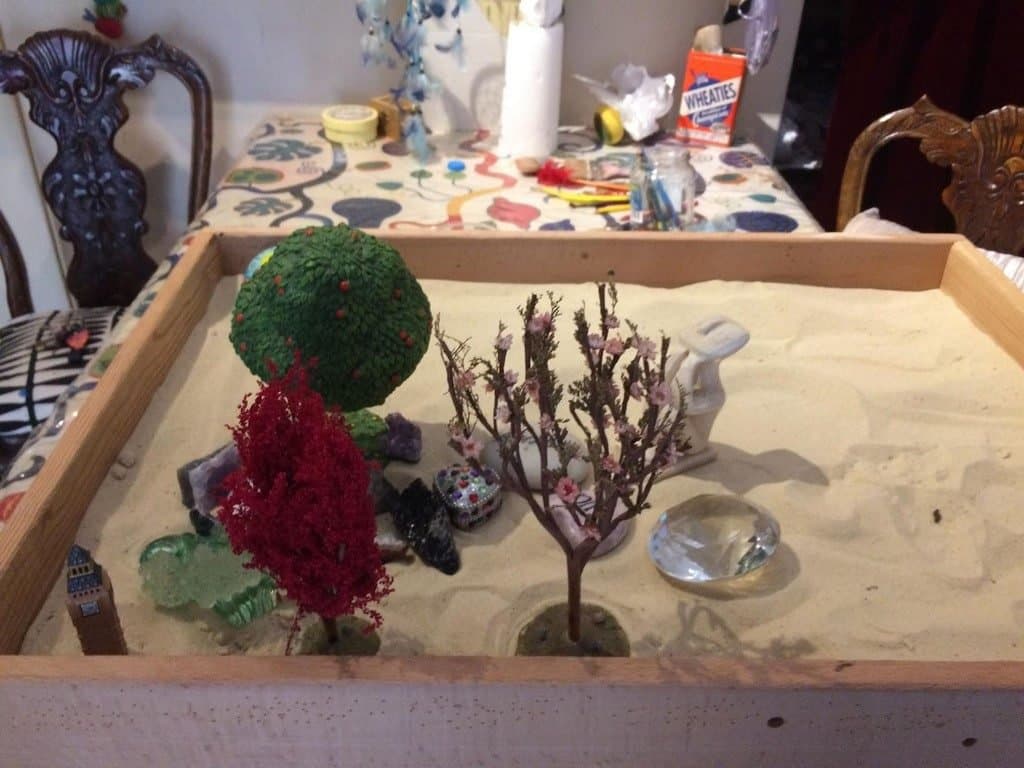
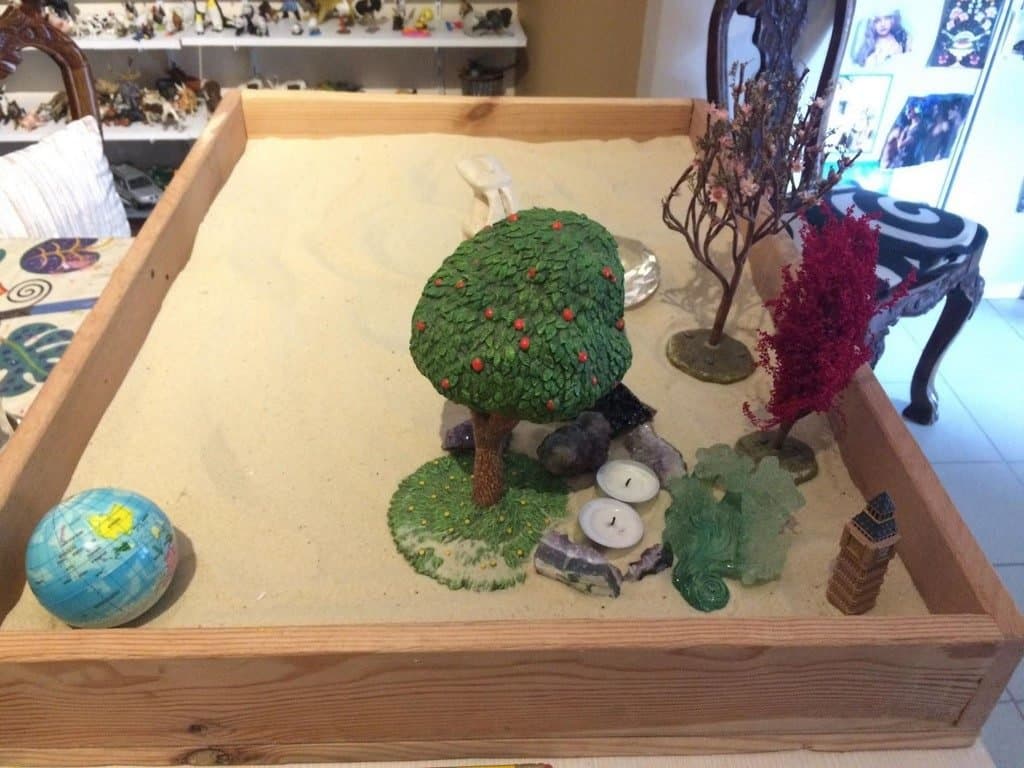
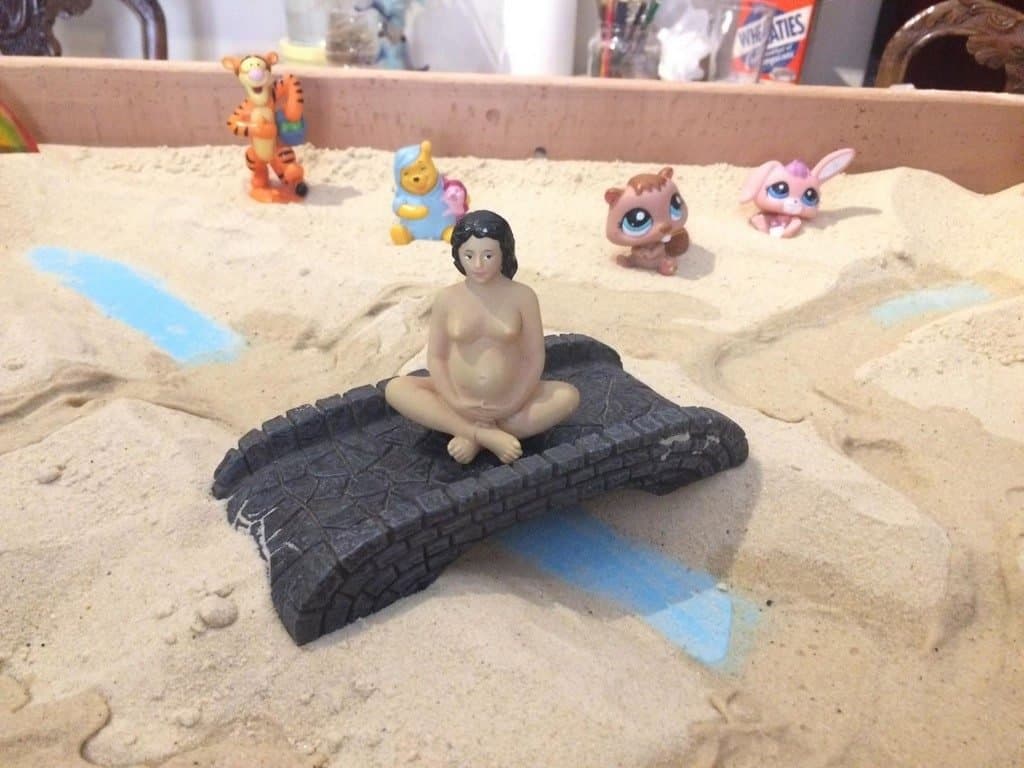
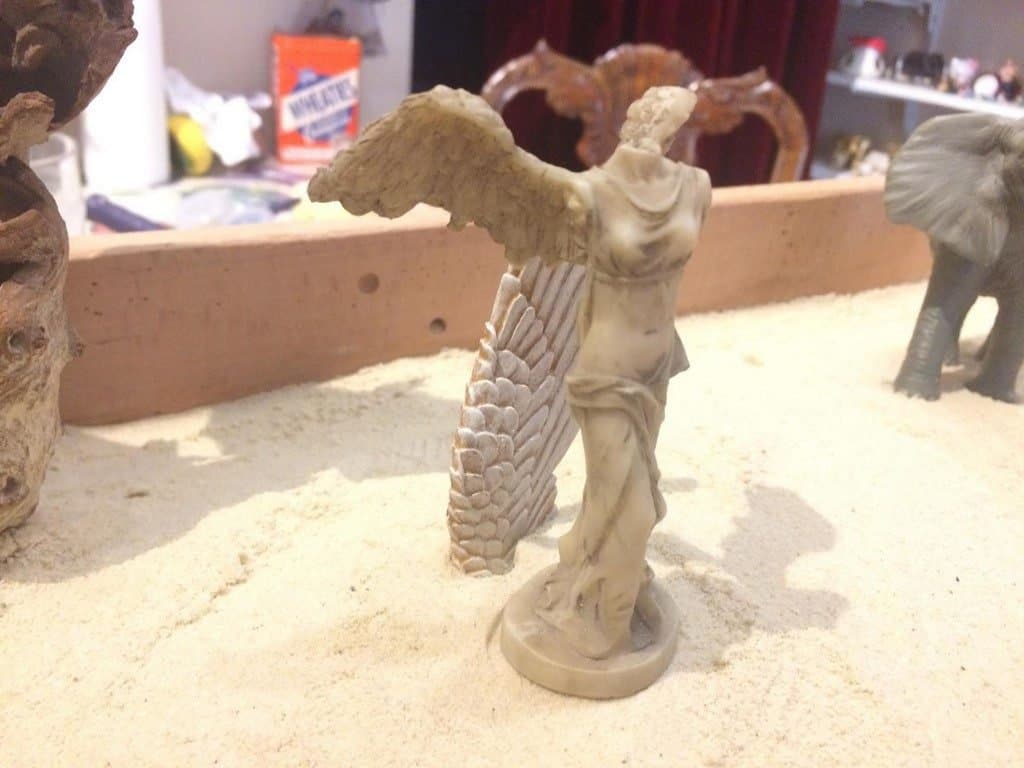
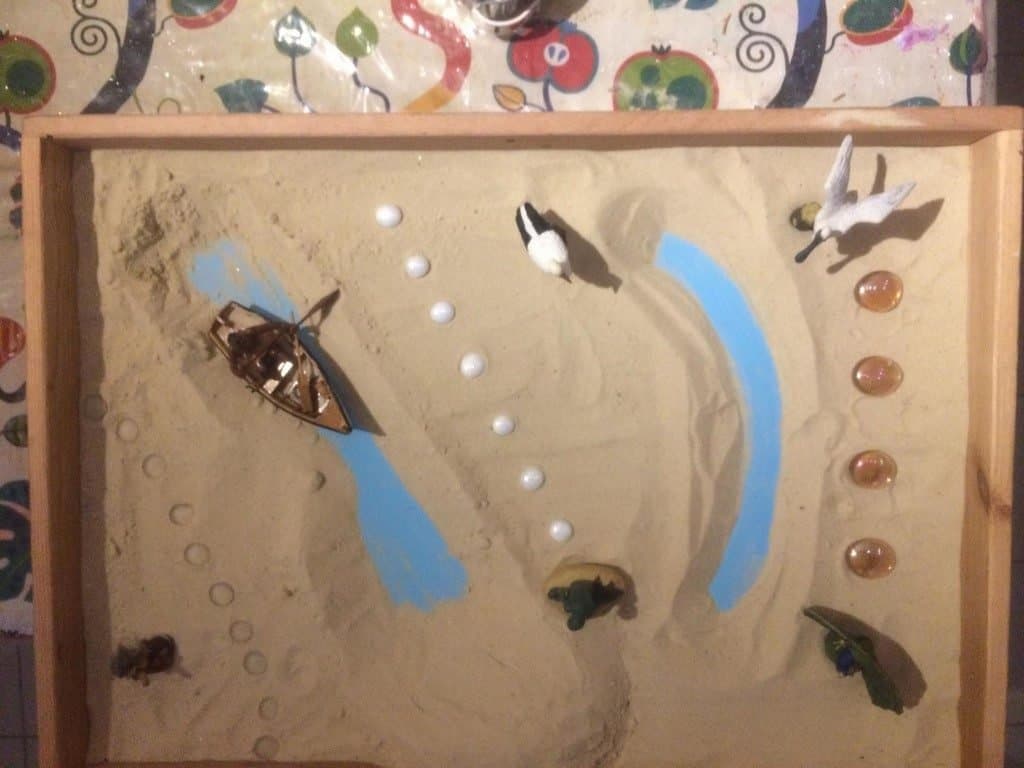
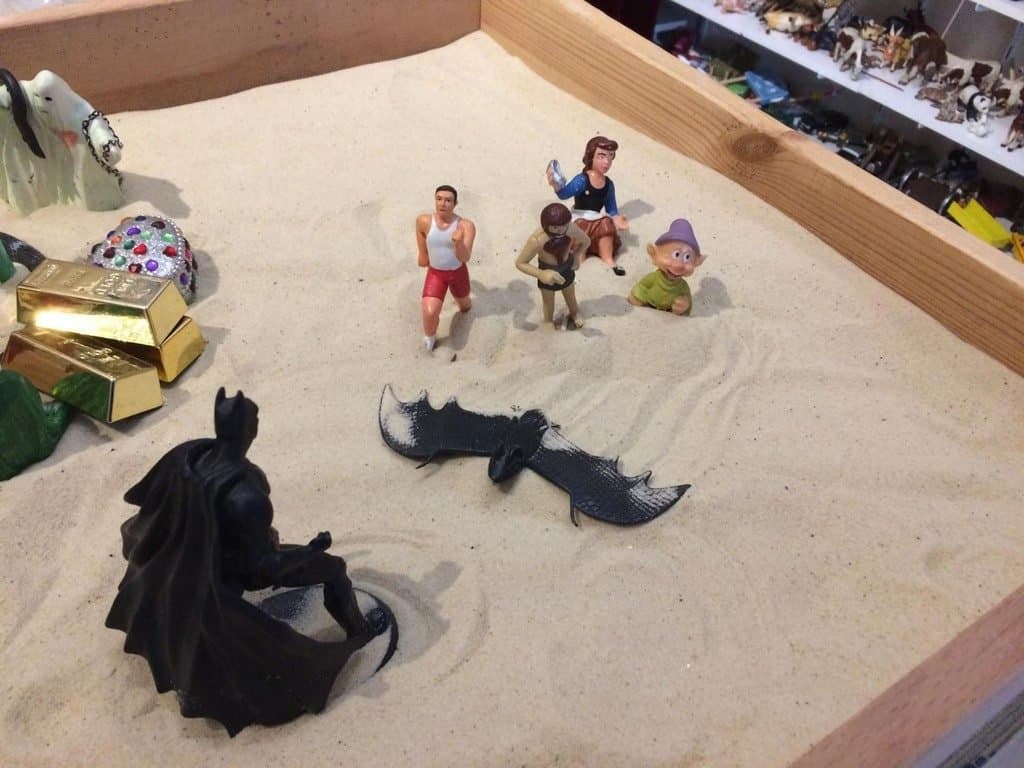
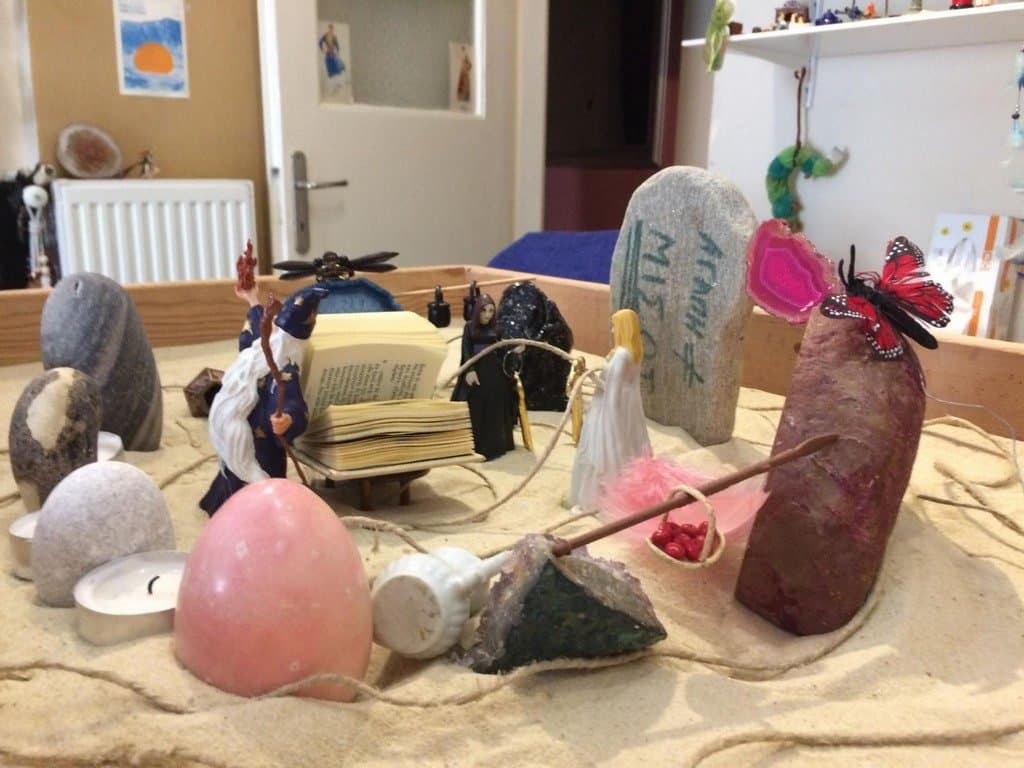
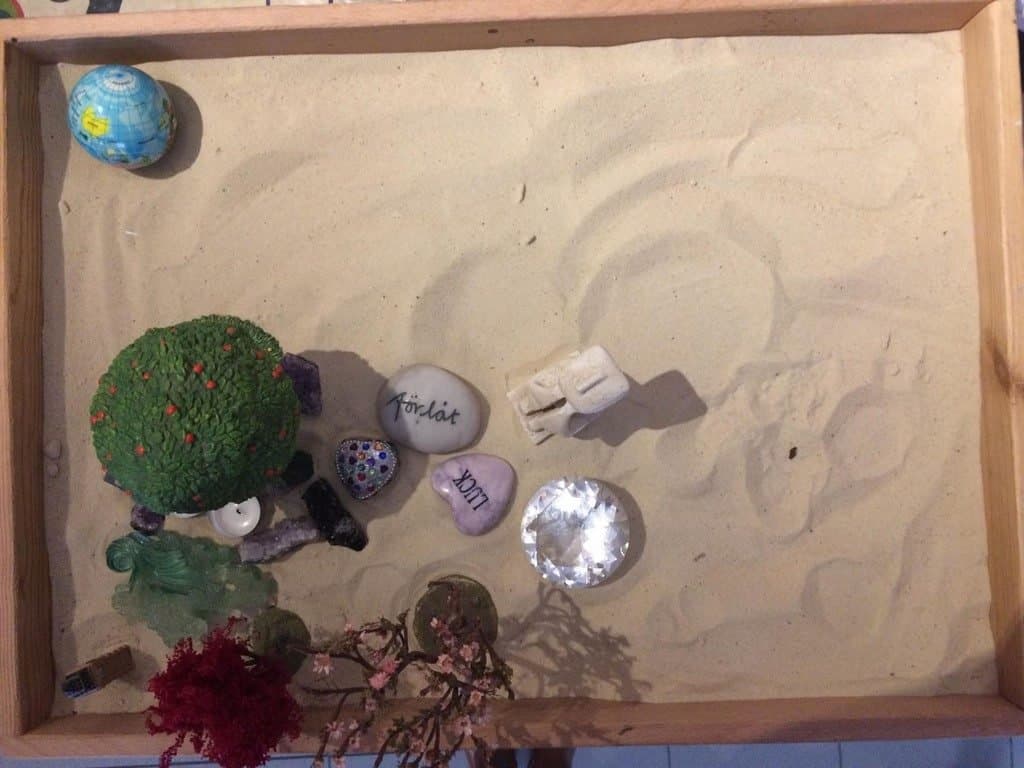
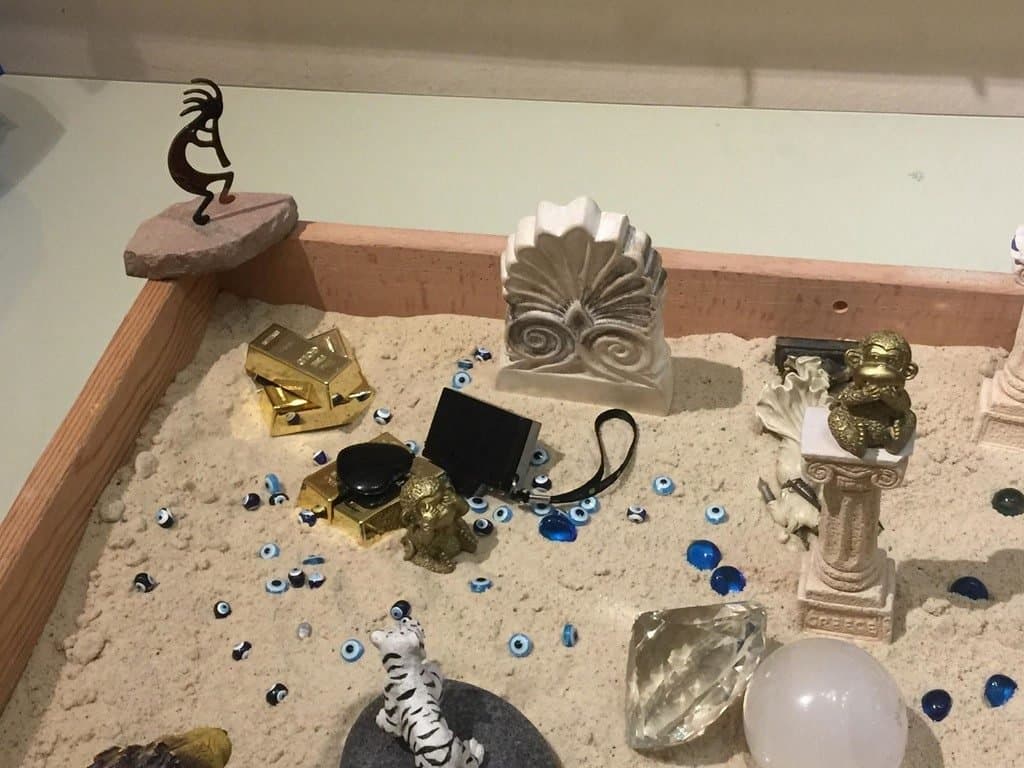
In the Sandplay method, the client creates representations in a container of sand, using miniatures. The miniatures are selected by the client from an extensive collection and placed freely in the sand. This process is done silently, in the presence of the therapist who observes without comment or guidance.
The miniatures act as symbols or archetypes, from which the client has the freedom to choose, and form a kind of "alphabet" through which he/she is called upon to express himself/herself. It is very important that the client chooses freely, so that what is created in the sandbox is determined as much as possible by his/her inner world ("let the symbols choose you").
The goal of Sandplay is to help "emerge" ideas, fears, hopes or conflicts that the client is facing, so that they can be realized and discussed in collaboration with the therapist, in a safe environment.
The effectiveness of Sandplay lies in the fact that it provides both the therapist and the client with something three-dimensional and tangible that they can both work on. It offers an "immediacy" that can be more powerful than that of a verbal description, and which can be particularly helpful in cases where what is troubling us is difficult to understand and express.
For adults, the temporary "bypass" of language achieved when one expresses oneself through Sandplay is useful because it offers the opportunity to move away from any established ways we have of thinking about the issues that concern us, and to access our inner world more directly.
For children, the Sandplay method seems attractive because it is a type of play that the child finds natural. At the same time, it provides an opportunity to overcome the child's difficulty in understanding and answering questions about his feelings or explaining how he feels with sufficient precision. Sandplay helps the therapist guide the child through ways of expression that are friendlier and less stressful for the child than a discussion based solely on questions and answers.




Take the first step towards creative healing and self-discovery.
Book a Sessionarrow_forward